As an Amazon Associate, we earn from qualifying purchases. Some links on this site are affiliate links at no extra cost to you. Our recommendations are based on thorough research and editorial judgment.


Wrist Support Science: Foam, Gel, Leather, Firmness

When selecting wrist support, we consider three main materials: memory foam, gel, and leather.
- Memory Foam offers contouring comfort and manages heat, ideal for short tasks.
- Gel materials remain cool and provide adequate support, balancing comfort with cost.
- Leather options, while premium, guarantee durability and style, though they require care.
Firmness is equally crucial; softer supports are great for quick use, while firmer alternatives enhance posture for extended typing. To find the right fit, we must explore user preferences further.
Key Takeaways
- Memory foam adapts to wrist contours, distributing pressure for improved alignment and comfort during use.
- Gel materials maintain a cool surface, preventing heat buildup while providing personalized support and easy maintenance.
- Leather wrist supports offer durability and premium aesthetics but require proper conditioning to retain quality.
- Firmer wrist supports promote better alignment for prolonged use, while softer versions are suitable for shorter tasks.
- Regular use of ergonomic wrist supports can reduce injury risks and enhance productivity through improved comfort.
Importance of Ergonomics in Wrist Support
When we talk about the importance of ergonomics in wrist support, it’s essential to recognize how our wrist position affects our overall comfort and productivity. A well-designed Gel Wrist Rest aligns our wrists in a neutral position, reducing strain during prolonged typing. This support encourages better typing posture, which can minimize the risk of repetitive strain injuries.
Key benefits of using a Gel Wrist Rest include:
- Improved alignment for natural hand movement
- Enhanced cushioning that conforms to our wrists
- Reduction in discomfort levels by up to 40%
Research also shows that memory foam and gel constructions can adapt to wrist contours for added support and pressure dispersion.
Memory Foam: Comfort and Contour

Memory foam wrist rests are designed to offer a blend of comfort and support that many users find invaluable during long typing sessions. These rests conform to the unique shape of our wrists, ensuring ideal pressure distribution that minimizes fatigue and strain. By promoting proper wrist alignment, memory foam can greatly improve our typing posture, reducing the risk of repetitive strain injuries over time.
Moreover, the material’s soft cushion helps manage heat retention, keeping the surface cool to the touch, which is essential for extended use. While memory foam adapts well to individual users, we must also consider that durability might be an issue, as these products can show signs of wear after several months of regular use. Many users also appreciate features like removable covers which make cleaning and maintenance easier and extend product lifespan.
Recommended Products

EXTRA SUPPORT: Contour Design's ArmSupport Red is a cushioned desk extender designed to relieve 18 lbs. of strain from your shoulders and neck. The ArmSupport Red fits almost all sit/stand desk options and helps reduce reach.

Swivel table extension for armrest with 180° rotation and 90° folding.

Plush Leatherette Cushion: The memory foam cushion is wrapped in a special leatherette material to reduce wrist strain during gaming marathons
Gel Materials: Cooling and Supportive

Gel materials have become a popular choice for wrist supports due to their unique combination of comfort and cooling properties. These supports offer several benefits that enhance our typing experience:
- Cooling Benefits: Gel wrist rests help prevent heat build-up, keeping the surface cool against our skin during extended use.
- Personalized Comfort: The soft cushion conforms to our wrist shape, providing tailored support that increases comfort.
- Fatigue Reduction: Ergonomic designs help align the wrist properly, promoting better posture and reducing overall fatigue while we work.
Additionally, many gel wrist supports are covered in smooth faux leather, making them easy to clean and aesthetically pleasing. They’re also more affordable compared to leather or wooden options, offering an excellent balance of comfort, support, and cost-effectiveness for users. Many popular wrist rests feature high-density memory foam in combination with gel layers to enhance support and durability.
Recommended Products

【Ergonomically Comfort Design】DXRacer's gaming chair is equipped with an adjustable memory foam cushion and Cooling Gel Foam Head Pillow, giving you strong unparalleled ergonomic support for your lumbar and neck, relieving muscle tension. Perfect for long hours of gaming and working.

USER-FRIENDLY DESIGN - SUUNTO Race S compact sports watch features a 1.32'' 466dpi high-resolution AMOLED touchscreen and digital crown to ensure excellent readability and easy browsing in all conditions. With 60g lightweight, 11.4mm thinness, and comfortable silicone strap in various colors, it fits almost everyone and provides all-day comfort.

【Ergonomically Comfort Design】DXRacer gaming chair is equipped with an adjustable memory foam cushion and cooling gel foam headrest, giving you strong unparalleled ergonomic support for your lumbar and neck, relieving muscle tension. Perfect for long hours of gaming and working.
Leather Options: Luxury and Durability
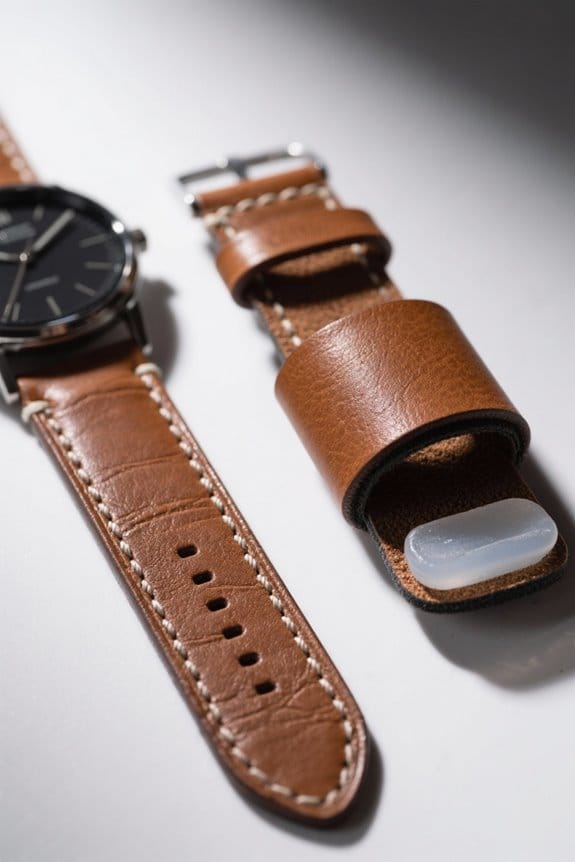
Leather wrist rests, while often seen as a luxury, offer practical benefits that make them a worthwhile investment for anyone seeking ergonomic support.
- Luxury Experience: The premium appearance enhances any workspace, combining style with functionality.
- Durability: High-quality leather is more durable than foam or gel alternatives, promising long-lasting performance.
- Firmness: Their firm structure provides excellent wrist support, helping maintain proper ergonomic alignment during typing.
- Maintenance Tips: To guarantee material longevity, conditioning the leather is essential to prevent cracking and retain its beauty.
While leather options typically come at a higher price point, their combination of luxury and durability makes them a smart choice for those prioritizing both comfort and style in their workspace. A well-chosen leather wrist rest can also contribute to proper wrist posture and reduce strain during extended typing sessions.
Recommended Products

ONE-HAND FEATHER TOUCH DISASSEMBLY: Easily disassemble the scooter with one hand for quick and convenient transportation. The heaviest piece is the front section, weighing at 54 lbs.

【3D Dynamic Lumbar Support】 Our ergonomic desk chair features an innovative dual-layer lumbar support system, designed to relieve lower back pain. Unlike traditional office chairs, it adds an adaptive lumbar layer to the standard backrest, conforming to your waist and back posture preferences. The 3D mechanism dynamically adjusts to your movements during prolonged work sessions.

【Genuine Leather Seat】 - The Aloria Series ergonomic office chair by Oak Hollow Furniture comes equipped with an upgraded, soft and supple genuine cowhide leather seat. Why buy a cheap PU or bonded leather chair that may contain harsh chemicals or wear down quickly? This upgraded genuine leather seat design is meant to withstand years of use in a working or home-office environment. Invest in your health with a chair that is intended to last with quality materials and a better ergonomic design.
The Aesthetic Appeal of Wood Wrist Rests

When we reflect on the aesthetic appeal of wood wrist rests, we find that their natural beauty can enhance any workspace. Here are some key points to ponder:
- Material Choice: Crafted from hardwoods like maple or walnut, these wrist rests highlight stunning wood grain patterns.
- Workspace Design: Their organic look can complement various workspace designs, adding warmth and elegance.
- Durability: They’re durable and can last for years without noticeable wear, making them a practical investment.
- Maintenance: The smooth surface is easy to clean, fitting seamlessly into both home and office environments.
- Natural Appeal: Many users prefer non-painted options, showcasing the unique texture of the wood, further enhancing the appeal of natural materials.
- Many users also choose wood wrist rests to pair with gasket-mounted keyboards for a quieter, more comfortable typing setup.
Firmness vs. Softness in Wrist Support
Choosing the right wrist support often comes down to the balance between firmness and softness.
- Firmness Comparison: Higher firmness in wrist supports can align the wrist better, reducing strain and promoting good posture while typing.
- Softness Benefits: Soft options, like memory foam or gel, conform to our wrist shape, offering personalized comfort but may lack support for longer sessions.
- Medium Firmness: Products with medium firmness, such as gel cushions, provide a blend of comfort and support, alleviating fatigue during extended use.
Research suggests we might prefer softer rests for short tasks but lean towards firmer options for prolonged ergonomic benefits. Testing different options is essential as each individual’s typing habits and comfort needs can vary greatly, influencing our ergonomic choices.
Many users prefer wrist rests with memory foam or gel because they combine cushioning with pressure relief.
Recommended Products

Soothing gel comfort encourages neutral wrist posture

3M’s gel technology creates a wrist rest that is firm enough to provide the support you need, but soft enough for optimal comfort

Personal Preferences in Material Selection
Selecting the right material for wrist support can make a significant difference in our typing experience. With a wide material variety, personal preferences greatly influence our choices.
- Softness vs. Firmness: Some of us prefer the softness of memory foam for that cushioned feel, while others value the sturdiness of leather or wood for firm support.
- Cooling Properties: Gel wrist rests appeal to those in warmer environments, providing a revitalizing touch during extended use.
- Aesthetic Appeal: We may also consider the visual aspect; leather offers luxury, while wood adds natural beauty.
Ultimately, our user preferences guide us in selecting a material that melds comfort with ergonomics, enhancing overall typing posture and reducing fatigue.
Gel wrist pads often feature a non-slip base to ensure stability during rapid mouse movements.
Striking the Right Balance for Typing Comfort
Finding the right balance for typing comfort is vital, especially as we spend hours at our keyboards. To enhance our wrist rest functionality, we should consider materials that provide both support and comfort. Soft gel or memory foam contours to our wrists, reducing fatigue, while leather offers firm support and durability, appealing to users valuing style and longevity.
For typing posture improvement, ergonomic designs keep our wrists aligned, especially with mid-sized keyboards. However, we need to balance firmness and softness; overly plush supports can lead to poor posture. Regular maintenance, especially for leather materials, is important for material longevity considerations. By choosing wisely, we can guarantee our wrist supports remain effective tools for comfort and health. Many ergonomic accessories also emphasize temperature regulation to help prevent device overheating and maintain overall performance.
Recommended Products

Gas assisted continuous height adjustment allows you to move smoothly and quietly between sitting and standing positions in seconds.

L-Shaped Solid Wood Desktop : This L shaped standing desk is crafted with solid wood oak to ensure health and durability;Distinctive color variations, grain patterns, and natural imperfections highlight the artistry.

Elevate your workspace with our gas-assist height adjustable desk converter, facilitating seamless sit to stand transitions and promoting ergonomic comfort
Frequently Asked Questions
Is Gel Wrist Support Better Than Foam?
While foam has its advantages, gel wrist support’s cooling benefits and firm comfort make it a standout choice for many users. Ultimately, our preferences depend on the balance between personal comfort and performance needs.
Should a Wrist Rest Be Hard or Soft?
We believe a wrist rest should strike a comfort balance. Soft benefits provide cushioning for fatigue, while hard support maintains alignment. Ultimately, it depends on our typing habits and personal preferences for best support.
Is Wooden or Gel Wrist Rest Better?
Choosing between wooden and gel wrist rests ultimately depends on our preferences. While wooden options offer durability and elegant beauty, gel ones provide comfort and a cooling sensation that many find soothing during long hours at a desk.
What Is the Best Material for Wrist Rests?
The best material for wrist rests balances ergonomic design with material durability, and ultimately hinges on user preferences. We should try different options and choose what feels most comfortable and supportive during our typing sessions.


