As an Amazon Associate, we earn from qualifying purchases. Some links on this site are affiliate links at no extra cost to you. Our recommendations are based on thorough research and editorial judgment.


Privacy Screen Sizing: Pick the Right Fit and Type

When selecting a privacy screen, we need to measure our monitor accurately. Start by identifying the screen type: Raised Bezel Displays require measuring just the visible area, while Flat Glass Displays include the bezel. We should also check the aspect ratio, like 16:9 for modern monitors, guaranteeing a perfect fit. Remember to take into account bezel size and confirm measurements before purchasing. With the right sizing details, we’ll secure effective protection, and there’s more to explore on optimizing privacy features.
Key Takeaways
- Identify your screen type: Raised Bezel Displays require measurements excluding the bezel, while Flat Glass Displays include it for accuracy.
- Measure the height and width of your screen using a flexible measuring tape and double-check for precision.
- Match your privacy screen to your monitor’s aspect ratio (16:9, 16:10, or 4:3) for proper fit and coverage.
- Always refer to sizing information before purchasing a privacy screen and opt for a slightly smaller size if exact dimensions aren’t available.
- Verify your measurements, including the diagonal length and bezel size, against privacy screen specifications to ensure compatibility.
Understanding Screen Types
You may be interested
Understanding the different types of screens is essential for correctly sizing a privacy screen.
We need to identify the screen type before measuring. Screens can be categorized as either Raised Bezel Displays or Flat Glass Displays. For Raised Bezel Displays, measurements should exclude the bezel to guarantee the privacy screen size fits correctly. Conversely, for Flat Glass Displays, we include the bezel in our height and width measurements for accurate sizing.
Knowing whether our monitor has a raised frame affects how we measure. This distinction helps us avoid errors in selecting the right privacy filter. Inaccurate measurements can lead to a poor fit, compromising our privacy. Taking a moment to identify the screen type ultimately saves us from future inconveniences. Many users also consider adjustable color temperature features when choosing compatible screen accessories.
Recommended Products

Compatible Model(s): Magicmoon brand filter only for 24 inch -diagonally measured - widescreen monitor - aspect ratio 16:9 - filter size: width: 20 15/16", Height: 11 13/16" (531mm x 298mm)
![[2-Pack] 24 Inch Computer Privacy Screen Filter for 16:9 Widescreen Monitor, Removable Eye Protection Anti Glare Blue Light Filter Privacy Shield, Anti Spy Screen Protector Film 24 in](https://m.media-amazon.com/images/I/41jLN+QeBGL._SL500_.jpg)
【Improved Privacy Filter】Protescreen 24 inch privacy screen filter after 200 times updates,Use revolutionary micro-louver technology. The 24 inch computer privacy filter limits viewing angle to +/- 28° and provide clear vision on the front. If see from the sides, the greater the angle the darker the screen.Anyone who tries to peek over the side will only see a dark screen! So with a computer privacy screen protector 24 inch, the privacy of your computer screen will never be leaked.

【Privacy Filter Dimensions】- Width: 20 15/16" (532 mm), Height: 11 13/16" (299 mm), Diagonal: 24" (609.6 mm) - SightPro Blackout Privacy Screen Filter is engineered to be compatible with HP, Dell, Samsung, Lenovo, LG, Acer, ASUS, ViewSonic, and other monitor brands. Please verify your computer screen's width and height measurements before ordering. It's not recommended to make your selection based solely on your computer screen's diagonal size.
Measuring Your Screen Accurately

When it comes to measuring our screens accurately, we need to contemplate a few key steps to guarantee we get precise dimensions. First, identify your screen type: is it a Raised Bezel Display or a Flat Glass Display? For a Raised Bezel Display, measure the height and width of the visible screen area only, while for a Flat Glass Display, include the frame in your measurements.
Using a flexible measuring tape, we must measure the height, width, and diagonal length of the screen. These measurements are vital for selecting the right size privacy screens. Finally, double-checking our measurements is essential, as even slight discrepancies could lead to an ill-fitting privacy screen that doesn’t serve its purpose. Many privacy screen options also offer 9H hardness for enhanced scratch resistance and durability.
Recommended Products
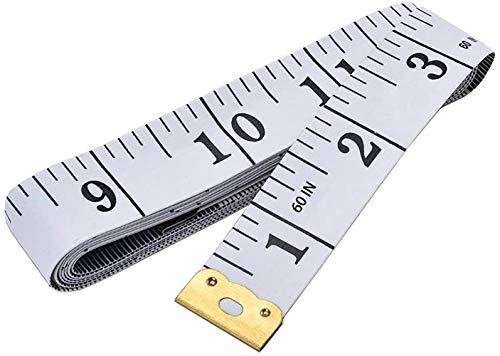
Measuring range: 0 to 60 inches and 0 to 150 centimeters. There is a centimeter scale on the back, which is accurately printed in inches and centimeters. Both sides can be measured according to your requirements. You can put one in your pocket or backpack without taking up too much space

2 Pack Soft Fashion Measuring Tape Set. Double sided, 60 inch / 150 cm, portable,durable tape measure. Small and light pocket size measuring tape.

DUAL COLOR/DUAL FUNCTION FULL BODY MEASURING TAPE - Only body tape with dedicated yellow side for easy error free circumference measurement. Yellow side automatically calculates body circumference with no extra adding or subtracting on your part.
Importance of Aspect Ratios

Aspect ratios play an essential role in determining how well a privacy screen fits our monitor, affecting both its performance and our viewing experience.
- Understanding Sizes: Common aspect ratios include 16:9, 16:10, and 4:3. These ratios define the width-to-height relationship of the screen.
- Fit Matters: To achieve ideal coverage, the privacy screen must match the monitor’s aspect ratio. An incorrect fit can lead to gaps along the edges or distortion in the image.
- Widespread Use: The 16:9 aspect ratio is mostly used in modern monitors, making it essential to select privacy screens that support this format.
Screens designed for specific sizes, like a 24-inch monitor, often include features such as microlouver technology and blue light reduction for added privacy and eye protection.
Selecting the Right Privacy Screen Size

How do we assure that our privacy screen fits perfectly on our monitor? First, we need to measure our screen‘s height and width accurately. When selecting a privacy screen, we must exclude bezels for Raised Bezel Displays and include them for Flat Glass Displays.
Next, let’s check the aspect ratio listed on our monitors, such as 16:9 or 16:10. This is important because there’s a range of sizes of privacy screens available, and confirming your monitor’s aspect assures a perfect fit.
If we can’t find an exact match, opt for a slightly smaller privacy screen cover to avoid overlaps or gaps. Remember, always refer to sizing information before making our final purchase decision. Many privacy screens also offer additional benefits like blue light reduction to enhance eye comfort and reduce strain.
Recommended Products

Privacy Screen Filter Size: If the visible area of your display has the following dimension: Width x Height (Exclude Frame/Arrow 1 to 3 mm errors): 20 15/16" x 11 13/16" (532 mm x 299 mm), then this filter is good for you. Very Important to double check your screen's Width and Height excluding frame before ordering. It's not recommended to make your selection based solely on your screen's diagonal size

【Enhanced Privacy Protection】27-inch privacy screen filter provides you with a clear view. After applying the anti-peeping film, only the user facing the screen can see the content on the screen. If viewed from the side or back, the content on the screen will become blurred or completely invisible. In this way, whether in public or in the office, a 27-inch PC privacy screen protector anti-peeping film can help you protect your privacy and prevent others from peeking at the screen content.
![Mamol [2 Pack] 24 Inch Computer Privacy Screen for 16:9 Widescreen Monitor](https://m.media-amazon.com/images/I/41SBKw3J4ML._SL500_.jpg)
【24 PRIVACY FILTER DIMENSIONS】 Width: 20 15/16" (20.9 inches/532 mm), Height: 11 13/16" (11.8 inches/299 mm) - 16:9 Aspect Ratio. Mamol computer privacy filters are designed to be perfectly compatible with HP, Samsung, Dell, Lenovo, Acer, Asus, LG, ViewSonic and other brands of monitors. Please check the width and height dimensions of your computer screen before ordering. If you have any questions about the dimensions, please contact us.
Considering Screen Bezels

Considering the impact of screen bezels on our privacy screen choice is vital. To guarantee ideal fit and coverage, we must measure our screen accurately.
- Raised Bezel Displays: Measure only the visible display area, excluding the bezel.
- Flat Glass Displays: Include the frame in your measurements.
Variability in bezel sizes can lead to gaps, diminishing privacy effectiveness. A seamless fit prevents any visible spaces, maximizing our privacy.
When selecting a privacy screen, understanding the dimensions of the bezel helps in guaranteeing compatibility with our device. It’s vital to select a screen that completely covers our display area, enhancing our security and minimizing exposure. By paying attention to these details, we can confidently choose the best privacy solution for our needs. A compact portable printer often weighs under 4.6 pounds and is designed for travel convenience with inkless technology that reduces maintenance.
Recommended Products

Screen protector for PlayStation Portal remote player
![Peslv [2-Pack] 27 Inch Privacy Screen for Computer Monitor 16:9 Aspect Ratio, Eye Protection Anti Blue Light Glare Shield, 27inch Removable Black Blackout Anti Spy Desktop Security Private Filter](https://m.media-amazon.com/images/I/51tNp24VKxL._SL500_.jpg)
【PRIVACY FILTER DIMENSIONS】- Width: 23 9/16" (598 mm), Height: 13 1/4" (337 mm), Diagonal: 27" (685.8 mm) - Peslv Dark 27 inch Privacy Screen Filter is engineered to be compatible with 27in Dell, HP, Samsung, Lenovo, LG, Acer, ASUS, Toshiba, ViewSonic, Aoc, Sceptre, PHILIPS, ViewSonic and other brands monitors with 16:9 aspect ratio. Please verify your computer screen's width and height measurements before ordering. It is not recommended to select a size based solely on the diagonal.

Filter Dimensions: Width: 11 15/16" (304 mm), Height: 7 1/2" (190 mm), Diagonal: 14.1" (358.14 mm) - SightPro Blackout Privacy Filter is engineered to be compatible with Lenovo, HP, Dell, Acer, Asus, Samsung, and other laptop brands. Please verify your screen's width and height measurements before ordering. It's not recommended to make your selection based solely on your screen's diagonal size. [Not optimized for touchscreens.]
Verifying Measurements Before Purchase
Before we make a purchase, verifying our measurements is essential to confirm the privacy screen fits perfectly. Here’s how we can do this:
- Measuring: We need to measure the screen height and width multiple times to confirm accuracy. It’s best to use a flexible measuring tape.
- Diagonal Measurement: Note the diagonal measurement to cross-check against standard privacy screen sizes.
- Bezel Size: Ascertain we account for the bezel size when measuring, as it impacts the fitting of the privacy filter.
- Aspect Ratio: We should also verify the aspect ratio, typically 16:9, 16:10, or 4:3, against the privacy screen specifications to confirm compatibility.
Magnetic attachment allows for quick installation and removal without tools, making fitting checks easier and avoiding adhesive residue on your device magnetic attachment.
Additional Considerations for Privacy Filters
After confirming our measurements and guaranteeing a proper fit for our privacy screen, we should also consider additional features that enhance the overall functionality. Here are key points to remember:
- Trimmed for a Custom Fit: Most privacy screens can be tailored to fit, addressing any measurement discrepancies without compromising integrity.
- Anti-Glare Properties: These features improve visibility while maintaining privacy, making our experience more comfortable.
- Complete Coverage: Privacy screens should cover the entire active display area to prevent any gaps.
- Aspect Ratio Compliance: We need to validate the aspect ratio by dividing the width by height to ascertain proper alignment.
- Touchscreen Compatibility: Some options work with touchscreen devices, but note that filtering performance may vary.
- Many users also consider cleaning and maintenance options such as pre-moistened wipes to keep the screen clear and streak-free.
Recommended Products

【Upgraded 26° Privacy Protection 】Protect your sensitive information from prying eyes! Our iPhone 17 pro max privacy screen protector features advanced micro-louver technology, creating a 26° anti-spy angle. Your screen content remains visible only when viewed directly from the front, effectively preventing side glances in public places like subways or offices. This ensures your privacy and data security
![Mothca Matte Privacy Screen Protector for iPhone 17 / iPhone 16 Pro [6.3 inch] with Easy Installation Tool, Anti Spy Anti Glare Full Coverage Tempered Glass, Anti-Fingerprint, Smooth as Silk](https://m.media-amazon.com/images/I/41aHzSgh3oL._SL500_.jpg)
Dynamic Island Compatible: Compatible with iPhone 17 / iPhone 16 Pro 6.3 Inch. Mothca matte privacy full coverage screen protector provides your iPhone 16 Pro / iPhone 17 screen edge to edge 100% protection, can effectively reduces the chance of screen breakage and scratches.

【Compatibility】Compatible with iPhone 13 Pro Max 6.7-inch and iPhone 14 Plus 6.7-inch, NOT compatible with other models. Please note this matte privacy screen protector will darken the screen brightness, we suggest that you could increase the screen brightness after apllied the screen protector.
Tips for Optimal Privacy Protection
When we’re looking to maximize our privacy protection, understanding the specifics of our screens is crucial. Here are some tips:
- Measure Screens Height and Width: Always take precise measurements before buying a privacy screen to fit your monitor.
- Know Your Screen Type: Distinguish between a raised bezel display and a flat glass display, as this affects compatibility.
- Check the Aspect Ratio: Common aspect ratios include 16:9, 16:10, and 4:3. Knowing your monitor’s aspect ratio guarantees complete coverage and a precise fit.
- Select the Right Privacy Screen: Choose screens designed for ideal privacy that also consider glare reduction.
- Review Feedback: Look at customer reviews to understand the effectiveness and compatibility of different brands and models.
Many users also value lightweight and portable mounting options like those used for portable backdrop stands to make setup and storage easier.
Frequently Asked Questions
How Do I Know What Size Privacy Screen to Buy?
To find the perfect privacy screen, we’ll measure our screen’s height and width precisely, check aspect ratios, and explore installation techniques. Let’s verify our chosen dimensions deliver ideal privacy while maintaining aesthetic appeal.
How Do I Choose the Right Screen Size?
To choose the right screen size, we must consider screen compatibility, viewing angle, and light blocking. We need installation tips and maintenance advice, exploring decorative options while comparing brands to guarantee ideal privacy effectiveness and outdoor usage.
How to Fit a Privacy Screen?
As the saying goes, “measure twice, cut once.” We’ll guarantee our screen dimensions fit perfectly by considering material types, budget, and aesthetic preferences for outdoor usage, while following installation tips and evaluating privacy features and mounting options.
What Is the Aspect Ratio on a Privacy Screen?
The aspect ratio’s importance lies in ensuring our privacy screen fits perfectly with our devices. Choosing the right size enhances viewing angles and compatibility, optimizing performance across different screen materials and usage scenarios for maximum security.


