As an Amazon Associate, we earn from qualifying purchases. Some links on this site are affiliate links at no extra cost to you. Our recommendations are based on thorough research and editorial judgment.


Avoid Cable Strain: Routing, Bends, Right‑Angle Tips

To avoid cable strain, we should prioritize proper routing and bending techniques. Here are key tips:
- Use gradual bends instead of sharp turns to maintain signal integrity.
- Adhere to the minimum bend radius formula: Outer Diameter (OD) x Standard Multiplier.
- When managing right-angle bends, avoid tight angles and use sweeping curves to prevent kinks.
- Regularly inspect for pressure points and guarantee proper spacing for airflow.
By following these practices, we can enhance cable performance and longevity. If you stick with us, we’ll explore more techniques and insights.
Key Takeaways
- Maintain gradual bends in cable routing to preserve signal integrity and reduce insertion loss.
- Avoid sharp angles when bundling cables; use loose loops to prevent pressure points.
- Implement strain relief fittings to protect against excessive bending and pulling during use.
- Use cable management systems designed for proper bend angles and avoid tightly bundled cables.
- Label and color-code cables clearly to facilitate identification and avoid confusion during maintenance.
Understanding Cable Strain and Its Impact
Understanding cable strain is essential for anyone working with or installing cables. When we ignore the minimum bend radius, we risk significant issues like insertion loss and permanent insulation damage. Consequently, proper cable routing is key to maintaining signal integrity. Here are some important points to keep in mind:
- Cable Strain: Strain can cause kinks and tears, affecting overall system functionality.
- Signal Integrity: Preserving the cable’s pathway ensures reliable data transmission.
- Strain Relief: Using strain relief fittings can protect against excessive bending or pulling.
Stackable organizers made from high-quality PET material can help keep cables tidy and prevent sharp bends.
The Concept of Cable Bend Radius

When it comes to cable installation, knowing the concept of bend radius is essential for ensuring both performance and longevity. The cable bend radius is the smallest radius at which a cable can bend without being damaged. To avoid excessive bending, we need to respect the minimum bend radius, which is determined using the formula: Minimum Bend Radius = Outer Diameter (OD) x Standard Multiplier. Violating this can result in significant insertion loss and damaged insulation, affecting overall signal quality. To preserve cable integrity, we should favor sweeping curves and service loops rather than sharp turns. Regular inspections help document any unavoidable tight bends, ensuring we pay attention to strain reliefs and maintain peak performance in our installations. Consider also specifying power and surge protection devices with appropriate surge protection ratings to safeguard connected equipment.
Recommended Products

Very Flexible, ideal for working in confined areas. Crush and impact resistant.
Our Flexible PVC Pipe is available in black or white, 1/2” thru 4" in diameter. The pipe walls are smooth inside and out which allows for unrestricted flow. Please see the technical chart to the left for ID and OD Measurements, Bend Ratios, Working Temperatures, Wall Thickness, etc.

Authentic HydroMaxx PVC Pipe from MaxxFlex will always have the MaxxFlex or HydroMaxx name on the pipe or be labeled as such.
Importance of Gradual Bends in Cable Routing

Gradual bends in cable routing play an important role in preserving signal integrity and maximizing performance. By adhering to bend radius requirements, we can avoid excessive bending that leads to signal degradation. Sharp bends can increase insertion loss by 1–3 decibels, reducing overall signal quality.
It’s crucial to recognize that cables have specific bend radius limits, which, if exceeded, may cause permanent physical damage to insulation. Cracks and tears can result from excessive stress on the cable.
To guarantee proper routing, we recommend using tools like service loops and sweeping curves during installation. This not only helps maintain compliance with manufacturer specifications, but it also promotes the longevity and reliable functioning of our cables. Let’s prioritize gradual bends for peak performance. An effective choice for on‑the‑go power needs is the REBEL Dual 65W charger, which offers high output and universal compatibility.
Strain Relief Mechanisms and Their Benefits

Incorporating strain relief mechanisms into our cable installations can markedly enhance their durability and performance.
- Cord grips and bushings: These components absorb push, pull, and twisting forces, preventing damage during use and installation.
- Compression strain relief bushings: They seal around the cable upon insertion, ensuring a snug fit that minimizes stress at connection points and protects cable insulation.
- Flexible metal conduits: These offer enhanced protection, accommodating movements without compromising cable structure.
- Specialized boots: Mini boots and flex angle boots help maintain the proper bend radius for delicate cables, reducing the risk of kinking and signal loss.
High-quality cables with oxygen-free copper conductors also benefit from strain relief by maintaining signal integrity and reducing long-term wear.
Recommended Products
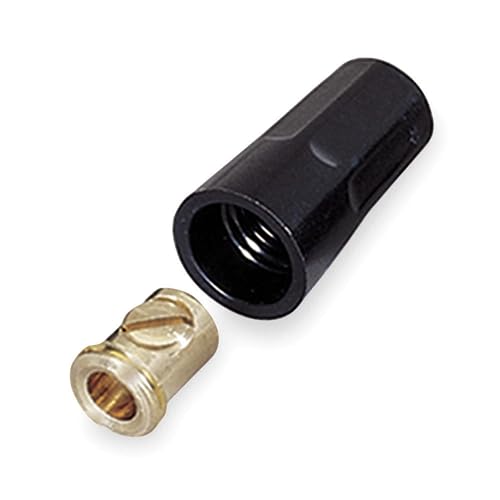
Eliminates need for restriping wire each time connection is disturbed

Hand Pliers for Heyco Strain Relief Bushings that assemble into 3/4 and larger diameter holes

Smallest 120 W DIN rail power supply on the market
Best Practices for Cable Management

Effective cable management goes hand in hand with the use of strain relief mechanisms, as both practices contribute to reliable performance and longevity. Here are some best practices to guarantee ideal cable organization:
- Routing Techniques: Use sweeping curves instead of sharp bends to maintain the cable’s minimum bend radius, minimizing the risk of signal loss.
- Regular Inspections: Check cable management systems frequently, guaranteeing cables are organized and free from stress that can cause damage over time.
- Support Structures: Employ J-hooks and cable trays for effective support, guiding cables and allowing room for future changes.
- Standards Compliance: Follow established guidelines, like DIN EN 61439, promoting safety and reliability.
- Strain Relief: Utilize compression strain relief bushings to protect cables from pulling forces, extending their lifespan.
Many under-desk trays feature ventilation and high weight capacities, making them suitable for managing multiple power strips and heavier cable bundles with high load capacity.
Recommended Products

Standing Desk with Power Outlets: Built-in power strip includes 2 AC outlets, 1 USB port, and 1 Type-C fast charging, making it a convenient computer desk with power outlets for charging phones, laptops, and devices without extra clutter.The gaming desk comes with an RGB LED light strip, remote control via APP, over 60000 colors, and 23 flashing modes for you to choose from.

Quality Material: our heavy duty cable supports are made of galvanized G60 steel, reliable and sturdy, serviceable and rust resistant; They offer a sturdy and reliable support for cables and wires, extending their service life, satisfying the need for tools that withstand regular wear and tear

Batwing Spring Steel Clip is secured to the J-Hook using an appropriate fastener such as a bold or a rivet. The batwing clip allow for connecting to ceiling grid wire or threaded rod.
Evaluating Cable Management Systems
How do we guarantee our cable management systems meet both current and future needs? First, we assess our environment, confirming that selected systems can adapt to potential upgrades. We look for solutions like ducts and trays that reduce electromagnetic interference while keeping our cables organized and safe.
When evaluating, consider these key aspects:
- Sharp Bends: Avoid configurations that create sharp bends which can stress cables, leading to potential damage.
- Safe Radius: Confirm the routing allows a safe radius to maintain signal integrity.
- Regular Inspections: Implement scheduled checks to identify wear or damage early, promoting longevity and performance.
- Use durable components and consider adhesive cable holders to keep cables secured and prevent movement that could lead to wear.
Recommended Products

Order for 10 Neat Patch Cable Management Units

Starter Grow Tent Kit: Perfect for first-time indoor growers seeking a simple, budget-friendly setup; This kit includes a grow tent, full-spectrum LED light, ventilation fan, GrowHub, and essential accessories, each working together to make your growing journey easier than ever

Enhanced Design - Features a floor sloped in a single plane towards the Kerdi-Line, allowing the use of large-format tiles. This design enhances aesthetic continuity and reduces visual clutter, creating a modern, elegant look.
Common Cable Routing Techniques
When we think about cable routing techniques, several effective methods can help us maintain organization and signal integrity.
Key Methods:
- Vertical and Horizontal Management: These techniques align cables to optimize space and avoid excessive bends, particularly in data centers and workspaces.
- Ceiling Routing: Utilizing mesh cable trays offers flexibility and visibility while minimizing congestion, making it unobtrusive.
- Surface-Mounted Systems: These systems allow for easier access, facilitating quick changes and troubleshooting in office environments.
- Cable Ducts and Trays: Using these can guide and protect cables from mechanical stress, all while adhering to safety standards.
- Labeling and Inspections: Regular inspections and proper labeling enhance maintenance efficiency and reduce risks of electrical damage or signal loss.
Consider using non-flammable, residue-free cleaning products to maintain connectors and prevent signal degradation during maintenance non-flammable.
Tips for Managing Right-Angle Bends
Managing right-angle bends in cables is essential to maintaining their performance and longevity. To do this effectively, we should follow some key practices:
- Bend Radius: Verify each bend adheres to the manufacturer’s specifications, typically at least four times the cable’s outer diameter. This helps prevent signal loss.
- Protective Coverings: Use flexible conduit or protective coverings at right angles. This minimizes strain and keeps our cables intact.
- Cable Guides: Implement J-hooks or corner cable guides to direct cables properly. They avoid sharp bends that lead to overheating.
- Avoid Tight Bundles: Don’t tightly bundle cables at right angles. This guarantees better airflow, reducing overheating risks.
Labeling right-angle cable paths during installation aids future maintenance and rerouting efforts. Many presenters and installers also prefer lightweight, portable equipment to simplify routing and reduce overall strain, especially when working with lightweight projectors.
Recommended Products

Sewer camera with locator: The upgraded Anysun sewer camera probe has a built-in 512hz transmitter, when the pipe camera is switched on, the camera probe emits a 512hz frequency signal, equipped with a 512hz locator, has Far mode (receive signals up to 23ft) and Near mode (receive signals up to 13ft) to accurately locate the camera probe and the precise problem area, which makes pipe inspection easier and saves time on complex excavations.
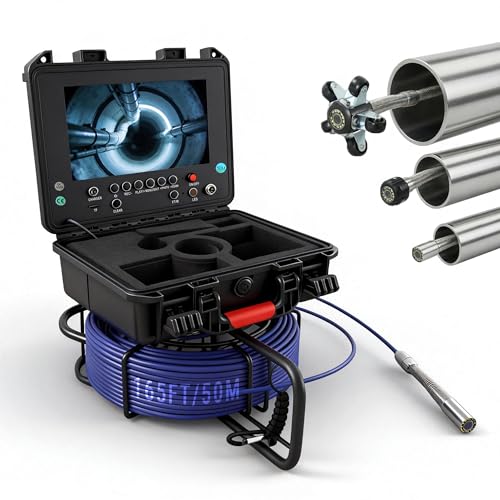
【Product Highlights】Holdwell S borescope camera with distance counter for precise fault detection. The built-in screen features a real-time distance counter that automatically tracks and displays measurements as you work.Perfect for plumbers, maintenance techs, home inspectors, contractors, and homeowners
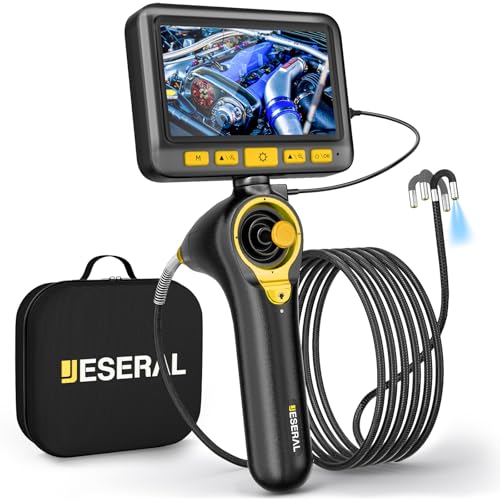
【4-Way 360° Articulating Borescope】Professional 4-way 360 degrees all view steering inspection camera, navigate through tight spaces effortlessly thanks to the flexible and articulate probe. Probe bends and rotates, allowing you to access even the most challenging areas while maintaining crystal-clear visibility,no dead spots, and it can be locked at any desired angle for detailed inspection, instead of manually rotating or twisting the cable. Ideal for beginners and experts alike
Frequently Asked Questions
What Materials Are Best for Cable Insulation to Prevent Strain?
For ideal cable insulation, we recommend thermal resistance materials combined with flexible insulation types. Adding impact resistant coatings and incorporating stress relief designs enhances durability, ensuring longevity and reliability for our cables under various conditions.
How Do Temperature Fluctuations Affect Cable Strain?
Temperature fluctuations can markedly impact cable strain. We’ll notice thermal expansion leading to material fatigue, which compromises integrity. It’s essential we consider these temperature effects to mitigate environmental impacts on our cables’ performance and longevity.
Are There Tools Available for Measuring Bend Radius?
We’ve found that using a strain gauge can effectively measure bend radius in cable management systems. For instance, monitoring a complex network, we’ve optimized performance and minimized strain by utilizing specialized measurement tools, improving overall reliability.
Can Over-Tightening Connections Lead to Cable Strain?
Yes, over-tightening connections can negatively impact connection integrity, leading to cable strain. We should implement strain prevention techniques to guarantee cable longevity, balancing secure fittings without excessive force that compromises performance and durability.
What Are Signs of Cable Strain to Look Out For?
We should look out for cable wear, including fraying or cracks, unstable connections, and signs of insulation deterioration. A visual inspection can help us identify these issues before they lead to bigger problems.


