As an Amazon Associate, we earn from qualifying purchases. Some links on this site are affiliate links at no extra cost to you. Our recommendations are based on thorough research and editorial judgment.


Pens for Tablets Vs Paper: Feel, Precision, Fatigue

When choosing between pens for tablets and traditional paper, here are some key differences to take into account:
- Feel: Traditional pens offer tactile feedback, while styluses enhance the experience with pressure sensitivity.
- Precision: Digital pens allow for precise stroke control and accuracy, mimicking traditional writing.
- Fatigue: Ergonomic designs help reduce wrist and muscle fatigue during prolonged use.
You may be interested

Ultimately, your choice depends on personal preference and intended use. Let’s explore more about both options and their unique features.
Key Takeaways
- Traditional pens offer superior tactile feedback, enhancing the writing experience, while digital styluses may mimic this with felt nibs.
- Digital styluses provide exceptional precision and control, allowing for varied line thicknesses and reducing misalignment during writing.
- Writing on paper promotes fine motor skill development and reduces cognitive fatigue compared to prolonged digital note-taking.
- Ergonomic styluses are designed to alleviate wrist and finger fatigue, making them more comfortable for extended use than some traditional pens.
- Technological advances enable digital tools to replicate paper textures and provide customizable features, improving the overall writing experience on tablets.
Feel of Writing: Digital Vs Traditional
When it comes to the feel of writing, the contrast between digital and traditional methods is striking. Traditional writing on paper gives us a tactile feedback that’s hard to match. The smooth glide of a pen creates a connected experience that resembles our natural writing instincts.
In contrast, digital styluses with felt nibs mimic this sensation somewhat, appealing to those who appreciate a familiar texture. However, despite their pressure sensitivity enhancing precision, long digital sessions can lead to fatigue—eyes straining from screens and hands cramping from awkward positions.
A balanced approach that combines the best of both worlds may be ideal for maintaining comfort while letting creativity flow, prioritizing ergonomic positions to combat discomfort. Many modern styluses also offer interchangeable tips to improve precision and extend usability.
Precision in Digital Writing

Precision in digital writing is one of the standout features that sets it apart from traditional methods. When we use a stylus, we benefit from exceptional precision control, particularly due to pressure sensitivity. This feature allows us to vary line thickness, enhancing our writing experience and allowing for artistic expression.
Key benefits include:
- Higher Accuracy: Styluses enable a more controlled output, closely mimicking pen-on-paper interaction.
- Editing Ease: Digital notes allow for straightforward modifications, retaining precision without compromising quality.
- Quality Styluses: Investing in high-quality styluses reduces misalignment, ensuring our strokes remain true to our intentions.
Fiber mesh tips also contribute to smoother touchscreen interactions and greater durability, making them a popular choice for enhanced touchscreen performance.
Recommended Products
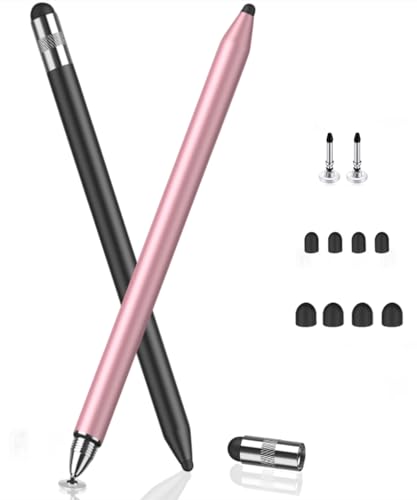
【New Upgraded 3-in-1 Stylus】: Building on the foundation of dual rubber tips, this new version adds a more precise and sensitive transparent disc tip, and comes with a protective cap. This 3-in-1 stylus pen meets various needs in your daily life, whether it's clicking icons, writing, drawing, or playing games, it can handle them all with ease

【2-In-1 Dual Rubber Tip Design】:Each passive capacitive stylus is equipped with rubber tips of two different diameters on both ends: a 0.27-inch wider tip and a 0.21-inch precision fine tip. The fine tip delivers accurate control for handwriting, detailed sketching and precise icon selection, while the wider soft tip is ideal for scrolling, color filling and daily screen navigation. No charging or Bluetooth pairing required — ready to use straight out of the package.

【Stylus Pens for Touch Screens】Stylus pen is no delay and no lag during use, and ipad stylus will not damage your screen, stylus pen for ipad has 2 different sizes of nibs so you can have more options for a more accurate writing and drawing experience.
Tactile Feedback: Importance in Writing Experience

Tactile feedback plays an essential role in our writing experience, impacting both comfort and productivity. When we write, whether on paper or using a stylus pen for digital writing, the tactile sensation can shape our overall enjoyment.
- Enhanced Engagement: Tools that provide consistent tactile feedback keep us focused, leading to increased creativity.
- Comfort Levels: The feedback from traditional pens often supports less strain compared to some digital options, promoting better posture.
- Motor Skill Development: Writing on paper aids fine motor skills, enhancing connections between our thoughts and writing.
- Stylus Features: Modern stylus pens offer pressure sensitivity, mimicking paper’s feedback to create a more organic experience.
Incorporating the right tool can considerably enhance our writing journey. Devices with pressure sensitivity can closely replicate the feel of pen on paper, improving precision and reducing fatigue.
Fatigue Factors in Extended Use

As we dive deeper into the intricacies of using digital styluses versus traditional writing methods, we should consider how fatigue can impact our productivity.
Key Fatigue Factors
- Wrist Fatigue: Extended use of digital styluses often leads to wrist fatigue from poor positioning, especially without tactile feedback.
- Posture Issues: Users may experience discomfort in their neck and back, stemming from poor posture while using tablets.
- Grip and Control: The smooth surface of screens requires more grip, leading to increased muscle fatigue in our hands and fingers.
Ergonomic Designs
Investing in styluses with ergonomic designs can greatly alleviate these fatigue factors. By promoting better grip and reducing strain, these tools help us maintain comfort during long writing or drawing sessions. Many ergonomic accessories are also portable and foldable, making them ideal for mobile professionals and remote workers.
Comparing Stroke Control in Stylus and Pen
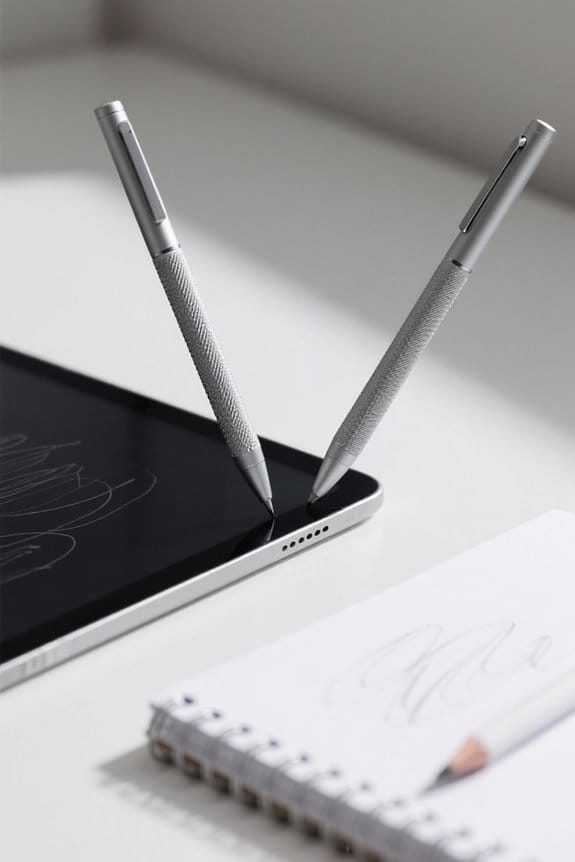
When we think about writing tools, stroke control plays a crucial role in the effectiveness of our notes and sketches. Stylus pens often enhance this experience through features that allow for precise control.
- Pressure Sensitivity: Styluses can vary stroke thickness based on pressure, unlike traditional pens with a fixed flow.
- Tactile Feedback: A stylus with a felt nib gives a familiar drawing experience, improving stroke control for those sketching or taking notes.
- Palm Rejection: With palm rejection technology, we can rest our hands on screens without affecting accuracy.
- Ergonomics: Lightweight materials and comfortable shapes reduce fatigue during long sessions.
These factors combine to make styluses capable of delivering superior stroke control compared to traditional pens. Many modern styluses also offer fast charging features that enable extended use after brief charging periods.
Surface Texture: Impact on Writing Quality
Surface texture greatly influences our writing quality on digital devices. Choosing the right surface is essential for enhancing our overall experience.
- Gritty Surfaces: Products like Rock Paper Pencil’s feature a textured feel that provides greater control and precision. This is excellent for artists or detail-oriented note-takers, helping reduce screen fatigue levels during long sessions.
- Smooth Surfaces: Options like Paperlike have minimal resistance, allowing for faster writing. However, this could sacrifice control and lead to increased strain for those focusing on intricate details.
Ultimately, the surface we choose greatly impacts how well we can replicate the traditional writing experience, affecting both the quality and fluidity of our digital work. The right surface can make a noticeable difference in our comfort and precision. Effective shielding reduces noise from external sources and can improve clarity in sensitive setups.
Ergonomics of Digital Pens Vs Traditional Pens
The ergonomics of digital pens and traditional pens can significantly affect our writing experience. Digital pens often feature ergonomic designs that enhance grip and comfort, reducing fatigue during long writing sessions. For instance, those with palm rejection technology allow us to rest our hands naturally on screens, creating a seamless integration similar to writing on paper. However, traditional pens provide satisfying tactile feedback that many of us enjoy, contributing to a more engaging experience.
While weight distribution in digital pens promotes control and precision, excessive screen time can still lead to fatigue. Consequently, we recommend alternating between digital and traditional pens. This approach can help us manage physical strain effectively, ensuring a comfortable writing experience regardless of our chosen medium. Fast charging and long battery life in many modern styluses also reduce interruptions and improve usability for extended sessions, especially with fast charging becoming common.
Recommended Products

Stylus Pen for Touchscreen: No Bluetooth or charging needed—use instantly on any capacitive touch screen (iPad, iPhone, Android, Samsung). Dual rubber tips (5mm/6.6mm) ensure precise control for writing, drawing, or gaming. Lightweight aluminum body with vibrant colors.

【0.1 mm Pixel Precise Without Delay】: The upgraded smart chip delivers pixel-level accuracy of 0.1 mm with high responsiveness, no breakpoints, and no delays. You can enjoy writing small words and drawing fine lines with ease, just like using a real pencil! NOTE: The iPad stylus does not support pressure sensitivity

Wide Compatibility for Multiple Devices: Works seamlessly with Samsung, iOS, Android, Chromebook, Smartphone, and other touchscreen devices. No drivers are needed- simply open and play, ensuring compatibility with a variety of tablets and smartphones. No Charging Required, Ready Anytime.
Learning Curve: Adapting to Stylus Usage
Adapting to stylus usage can present a unique learning curve for many of us. Shifting from paper to digital writing tools involves noticeable tactile differences that affect our control and comfort at first.
Key points to take into account:
- Fine Motor Skills: The skills we developed with handwriting take time to adjust, leading to occasional lapses in precision.
- Ergonomic Factors: Choosing a stylus that feels right in our grip and balances well can make a difference in prolonged sessions.
- Technology Features: Stylus pens with pressure sensitivity and palm rejection enhance our writing but require practice to master.
- Cognitive Shift: Adapting our techniques is essential as digital writing can change how we record and retain information.
- Consider also the cushioning thickness of your standing or work surface when using a stylus for long periods to reduce fatigue and improve comfort.
Recommendations for Reducing Fatigue
When we switch to using a stylus for extended periods, it’s important to contemplate how we can reduce fatigue and enhance our comfort. Here are some helpful recommendations:
- Choose Ergonomic Stylus Designs: Select models that fit comfortably in our hand to minimize strain.
- Balance Weight Distribution: Opt for styluses that have a balanced weight, as they require less effort, allowing prolonged use without discomfort.
- Utilize Palm Rejection Technology: This feature lets us position our hands naturally on the screen without interference, enhancing our writing or drawing experience.
- Soften Nib Options: Consider softer nibs for a paper-like feel, which require less pressure and reduce hand fatigue.
- Take Breaks: Remember to pause periodically to avoid repetitive strain injuries and keep our hands relaxed.
Ergonomic accessories like wrist rests with proper dimensions can also help maintain neutral wrist posture and reduce fatigue over long sessions.
Recommended Products

【Make Sure Your iPad Model is Compatible】: Metapen Pencil A8 is ONLY compatible with the iPad models 2018-2026: iPad 11/10/9/8/7/6 Gen, iPad Pro 13-inch M4, iPad Pro 11-inch 1/2/3/4/M4, iPad Air 3/4/5/M2/M3, iPad Pro 12.9-inch 3/4/5/6 Gen, iPad Mini 5/6 Gen. NOTE: The Pencil A8 is NOT compatible with iPads before 2018, iPhone, Android or Microsoft devices. Please check your iPad model before ordering

【0.1mm Pixel Precision, Smooth & Lag-Free】Equipped with an upgraded chip from the Metapen family, the Air8 delivers up to 0.1mm pixel-level accuracy. Write tiny notes or draw fine lines with no interruptions or lag—just like using a real pencil. Note: This stylus does not support pressure or tilt sensitivity

STARTING IMMEDIATELY: The LAMY safari note+ iPad Pen is ready to use immediately. Simply switch it on and get started straight away - Perfect for writing, drawing, correcting, highlighting, painting or playing. No complicated set-up required!
Personal Preferences: Choosing the Right Tool
Selecting the right tool for your creative needs often comes down to personal preference, especially when it involves the choice between digital styluses and traditional pens.
- Tactile Feedback: Many of us appreciate the familiar feel of paper for writing and drawing, which can enhance our connection to the work.
- Precision: Digital styluses, like the Adonit Dash 3, offer fine tips ideal for detailed tasks, preferred by artists.
- Ergonomics: Ergonomic stylus designs can minimize fatigue by promoting a natural grip and balance, making long sessions more comfortable.
- Fatigue Factors: It’s worth noting that digital note-taking can lead to cognitive fatigue, especially for those not used to it.
Ultimately, we must consider our comfort, precision needs, and overall experience when choosing the right tool. High pressure sensitivity with 4,096 levels can significantly improve control and nuance for digital artists.
Recommended Products
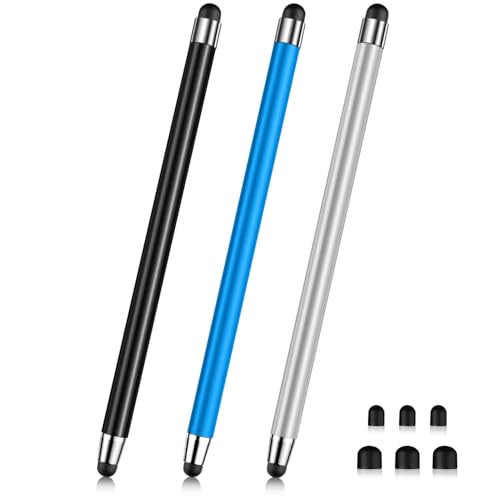
【Stylus Pen for Touchscreen】Our stylus pen requires no Bluetooth pairing or charging, you can unleash your creativity anytime and anywhere, just pick up the stylus and express your thoughts freely on the touch screen.

🖊【Wide Compatibility】: Stylus pen supports iPad 2018-2026 series:iPad 11th 11 inch 2025/10/9/8/7/6th Gen,iPad Air 11 inch (M4) 2026/13 inch (M4) 2026/7/6/5/4/3th Gen,iPad Pro 13 inch M4,iPad Pro 12.9 inch 3/4/5/6th Gen,iPad Pro 11 inch 1/2/3/4th/M4,iPad Mini 7th (A17 Pro)/6/5th Gen.NOTE: The Pencil is NOT compatible with iPad models before 2018, iPhone, Android and Microsoft devices. Please check your product model before placing an order.

WIDE COMPATIBILITY –– The HATOKU pencil ipad is compatible with ipad 6/7/8/9/10/11 generation, Air M2/M3/3/4/5 generation, Mini (5/6/7 generation), pro 11" M4/M5/1/2/3/4 generation, 13" M4 M5 and 12.9"(3/4/5/6 generation). Please note: Not work for ipad pro 12.9" 1st/2nd gen, pro 10.5"/9.7", ipad 1/2/3/4/5 generation, mini 1/2/3/4 gen, air 1st/2nd gen and iPhone, Android, or other devices.
Technological Advances in Stylus Design
As we explore the latest advancements in stylus design, it becomes clear that technology is greatly enhancing our creative processes.
Key Features of Modern Styluses:
- Pressure Sensitivity: Many active styluses now feature pressure sensitivity, allowing us to create varied line thicknesses, which improves precision in both drawing and writing.
- Tilt Recognition: This technology supports improved shading, mimicking traditional art techniques for a more versatile digital experience.
- Bluetooth Connectivity: Styluses with Bluetooth let us customize shortcut features, streamlining our workflows by providing quick access to tools.
- Tactile Experience: New materials, like those using Nanodots surface technology, replicate paper textures, offering a familiar feel under our fingers, even with a screen protector.
- Battery Life: Recent models boast enhanced battery life and quick charging, making them ideal for prolonged use.
Recommended Products

COMPATIBLE MODELS -- (NO Bluetooth,Not Original)The Tab Active 3 Pen Replacement Galaxy Tab Active Pro Touch Stylus Pen Compatible with For Samsung Galaxy Tab Active 2 T390 T395 T397 Pen. (also fit for Tab Active Pro S T540T545 T547 Pen, for Samsung Galaxy Tab Active 3 SM-T570 SM-T575 SM-574 S Pen Repair.But the Tab Active 2 Pen Dimensions Are Different Tab Active Pro Pen and Tab Active 3 Pen ,So The Galaxy Tab Active 3 S Pen Won'T fit In the Case for Tab Active 2, Galaxy Tab Active4 Pro Stylus

【Wide Compatibility】-This stylus pen for touchscreen is for capacitive screen electronic product and is specially designed for Android device on the market.The iphone stylus pen is suit with Switch /Samsung/XiaoMi/Huawei/Vivo/Lenovo/Pixel/iPhone 6-15 ,Amazon Fire Series tablet and other android device. Some compatible Samsung device models-Galaxy Tab A9/A9+/S9/S23 FE/S24/S25/Z Fold5/Z Fold 6/A13 /A25 (Note: This lenovo pen is not compatible with Microsoft devices,Apple iPad,Kindle devices,Windows,Laptop,Fire 10,Samsung Galaxy Fold 7,Samsung S7+,samsung tab s4,S10,A10 and One note app. Please check your device model before placing an order.Please note that our stylus is not suit with iPad.

【Dual-ended iPen Tip Design】CMARS Apple pen has a 1.45mm accurate copper fine point tip end and a magnetic mesh end. Both ends can be used, which is more convenient for daily use, whether on an iPad or on a mobile phone. The mesh tip can be utilized for drawing larger areas, apple pencil widely compatible and usable without charging.
The Future of Writing Tools: Digital Vs Traditional
The debate between digital and traditional writing tools is only getting more relevant as technology evolves.
Digital Advantages
- The rise of stylus technology enhances digital sketching, offering features like pressure sensitivity for a more natural feel.
- Digital tools streamline workflows, making note-taking easier to organize, edit, and share, which simply isn’t possible with writing on paper.
- The stylus market is projected to reach USD 2.5 billion by 2032, indicating a shift toward digital options.
Traditional Benefits
- Writing on paper still supports cognitive development, improving memory retention and comprehension compared to typing.
- We must consider ergonomics, as prolonged screen use may lead to eye strain and physical fatigue, making traditional handwriting a comfortable alternative for many users.
Frequently Asked Questions
Is It Better to Write on Paper or Tablet?
We believe choosing between paper and tablet really depends on our writing preferences. While digital enhances efficiency, analog nurtures our creative process. It’s about finding what feels right for us individually in each moment.
Does Writing on an Ipad Feel Like Paper?
Writing on an iPad can indeed feel like paper, especially with the right stylus. We’ve noticed user preference trends indicate improved digital handwriting experiences, particularly with tools offering fine tips and pressure sensitivity comparisons.
What Pens Don’t Leak Through Paper?
We’ve found pens like gel pens and quality rollerballs don’t leak through paper, thanks to their ink absorption factors and paper thickness types. Choosing the right pen ink properties can make a significant difference too.
Should I Get a Stylus for My Tablet?
Like artists searching for the perfect brush, we think getting a stylus for our tablet’s digital drawing makes sense. Checking stylus brands and ensuring tablet compatibility will elevate our creative experience and release our imagination!


